 >
>

Do I Need a Filling, Crown, or Root Canal?
If you are searching for Do I Need a Filling, Crown, or Root Canal in dental evaluation discussions, understanding the differences between these treatments can help you better interpret your symptoms and prepare for a dentist diagnosis filling crown root canal recommendation. These three restorative dentistry options are commonly used to treat tooth decay, damage, and infection, but each serves a different level of severity.
Making the right decision depends on how advanced the tooth decay or damage is, which is why a professional dental exam is always necessary for an accurate diagnosis.
Understanding Restorative Dentistry Options
Restorative dentistry focuses on repairing damaged or infected teeth while preserving as much natural structure as possible. The most common treatments include dental fillings, crowns, and root canals. Each option is selected based on the extent of decay, structural damage, and whether the tooth’s nerve is affected.
Understanding dental filling vs crown vs root canal differences can help patients recognize why one treatment may be recommended over another.
When Do You Need a Filling?
A dental filling is typically recommended when tooth decay is in its early stages and has not reached the inner pulp of the tooth.
Fillings are used for small to moderate cavities and are considered the least invasive restorative treatment. During this procedure, the decayed portion of the tooth is removed and replaced with a durable filling material to restore strength and function.
Common signs you may need a filling include mild sensitivity, visible dark spots, or discomfort when eating sweet foods. A filling is often part of early tooth decay treatment options and helps prevent further deterioration.
When Do You Need a Crown?
A dental crown is recommended when a tooth is too damaged or weakened for a filling alone to restore its strength. Crowns cover the entire tooth, providing protection and structural support.
Signs you may need a crown include large cavities, cracked teeth, or teeth that have undergone previous extensive fillings. Signs you need a dental crown often include chewing discomfort, visible fractures, or significant enamel loss.
Crowns are commonly used in cracked tooth treatment options or after a root canal has been completed to protect the remaining tooth structure.
When Do You Need a Root Canal?
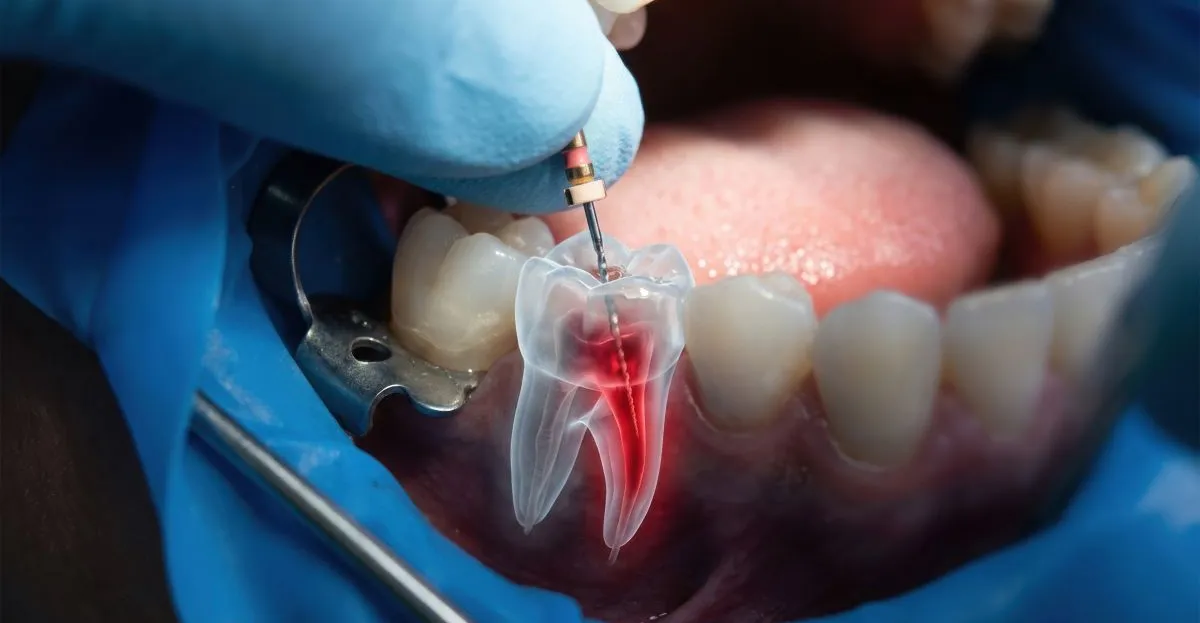
A root canal is needed when decay or infection reaches the inner pulp of the tooth. This area contains nerves and blood vessels, and once infected, it can cause significant pain or swelling.
When do you need a root canal is often determined by symptoms such as persistent toothache, prolonged sensitivity to hot or cold, swelling near the gums, or severe pain when chewing.
During treatment, the infected pulp is removed, the inside of the tooth is cleaned, and the space is sealed to prevent further infection. A crown is often placed afterward to restore strength and durability.
Cavity vs Root Canal Difference
Understanding the cavity vs root canal difference is important for recognizing the severity of dental issues. A cavity affects only the outer layers of the tooth and can usually be treated with a filling. A root canal, however, is required when the infection has reached the tooth’s nerve, making the condition more advanced and often more painful.
Early treatment of cavities can help prevent the need for more invasive procedures like root canals.
How Dentists Decide Between Filling, Crown, or Root Canal
A dentist diagnosis filling crown root canal decision is based on several clinical factors, including X-rays, depth of decay, tooth sensitivity, and structural integrity.
If the tooth structure is mostly intact, a filling is typically sufficient. If the tooth is weakened but the nerve is healthy, a crown may be recommended. If infection is present in the pulp, a root canal becomes necessary before any restoration can be placed.
This evaluation process ensures the most conservative and effective treatment plan is chosen.
Tooth Pain Treatment Options and What They Mean
Tooth pain can vary widely, and its severity often indicates the level of treatment needed. Mild sensitivity may only require a filling, while sharp or persistent pain may signal the need for a crown or root canal.
Tooth pain treatment options are always determined after a full dental examination, as symptoms alone cannot confirm the exact cause of discomfort.
Final Thoughts
Understanding whether you need a filling, crown, or root canal depends on the extent of damage or infection within the tooth. Each treatment plays a specific role in restorative dentistry options, from early cavity repair to full tooth restoration after infection. Want to learn more? Schedule a consultation today with our office to learn more.
By recognizing symptoms early and seeking professional care, patients can often avoid more complex procedures and preserve their natural teeth for as long as possible.